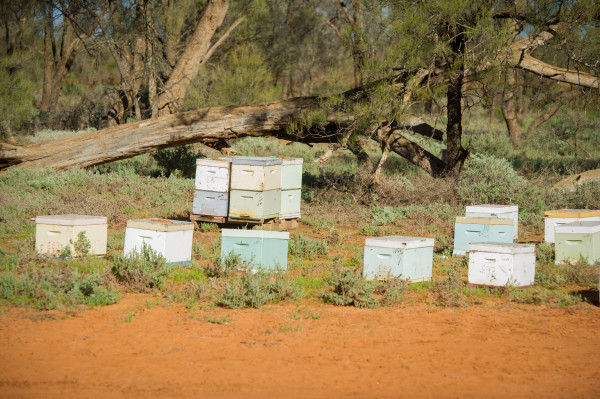
This includes anyone bringing bees, hives, queen bees, used beekeeping equipment and bee products, including pollen and honeycomb into any part of Victoria from any state or territory, from Tuesday this week.
Permits will not be granted for movement from New South Wales at this stage.
Victoria’s chief plant health officer Dr Rosa Crnov said the widening would bring Victoria’s permit system in line with those of other states, including South Australia and Queensland.
“This new permit system, combined with beekeeper registration requirements and the BeeMax system – which allows beekeepers to register their bee movements – will provide confidence in delivering safe pollination for industries across the state,” Dr Crnov said.
Victorian-registered beekeepers will be able to move their hives out of Sunraysia to other parts of the state without a permit, providing they are registered on BeeMax.
“A permit system was required for the Sunraysia given the huge volume of hives coming from across the country just as varroa mite was detected in New South Wales,” Dr Crnov said.
“We are confident, given the smaller number of hives required for pollination from now on, that the existing BeeMax system will give us the information we need for tracking and tracing in the event of a varroa detection in Victoria.
“Currently, Victoria remains free of varroa mite and, in the event of a detection, Agriculture Victoria will undertake appropriate risk management actions to respond.”
Almond pollination is expected to start winding up in Sunraysia by early September and bees will be needed to pollinate other crops, such as summer fruit in Swan Hill and the Goulburn Valley and seed canola, mustard and clover crops in the Wimmera.
Beekeepers can apply for a permit and read permit conditions on the Agriculture Victoria website agriculture.vic.gov.au/varroa or email honeybee.biosecurity@agriculture.vic.gov.au for more information.