A RETIRED doctor who contracted a flesh-eating infection after being bitten by a mosquito is urging residents to remain vigilant.
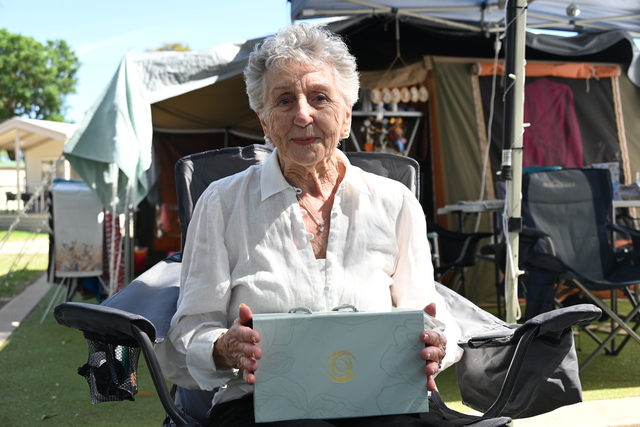
Kerang resident John Flynn was diagnosed with Buruli ulcer after he was bitten by a mosquito about three weeks ago.
What first appeared as a typical mosquito bite quickly escalated, turning into a flesh-eating skin disease.
“At first I had a big red ring on my arm after being bitten by a mosquito,” Mr Flynn said.
“The next day I had an ulcer which opened up and was pussy and horrible to look at.”
As the ulcer began to grow, Mr Flynn sought treatment and has since had three courses of antibiotics to fight the infection, which can cause serious complications if left untreated.
Mr Flynn said he was lucky he was aware of the condition and its seriousness, thanks to his medical background, but wanted to warn residents after hearing of other cases in nearby flood-impacted towns.
“Japanese encephalitis is bad enough, but we have a vaccine for that,” Mr Flynn said.
“There’s nothing to protect you from this and it’s very, very vicious.”
He said toxins made by the bacteria resulted in a disease that could have devastating outcomes if not diagnosed early, and may need surgery.
Mr Flynn said current environmental conditions had provided the perfect breeding ground for mosquitoes and warned the elderly and children could be at risk.
“There’s a lot of water around and it’s an absolute breeding ground for mosquitoes,” Mr Flynn said.
“The mosquitoes are breeding in millions, there’s so much water about and with the warm weather they are landing everywhere.”
Mr Flynn fears there could be an epidemic of the ulcers unless more is done to prevent increasing mosquito numbers.
Statistics show Buruli ulcer is spreading across Victoria.
There have been 266 cases notified in 2022, compared to the same time in 2021 (227 cases), 2020 (165 cases) and 2019 (247 cases).
In a health advisory issued on November 9, the Victorian Department of Health warned the disease was spreading across the state and was no longer restricted to specific coastal locations.
“Early recognition and diagnosis is critical to prevent skin and tissue loss – consider the diagnosis in patients with a persistent ulcer, nodule, papule, or oedema and cellulitis not responding to usual treatments, especially on exposed parts of the body,” Deputy Chief Health Officer Associate Professor Deborah Friedman said.
“Buruli ulcer must be notified to the department within five days of diagnosis.
“There is increasing evidence that mosquitoes and possums play a role in disease transmission.
“Prevention measures include reducing mosquito-breeding sites, avoiding mosquito bites and covering cuts and abrasions with a dressing when spending time outdoors.”
University of Melbourne Professor Timothy Stinear is director of the Melbourne-based World Health Organisation Collaborating Centre for Mycobacterium Ulcerans at the Doherty Institute and has dedicated much time to researching the topic.
He said Buruli ulcer and how it was contracted was the subject of intense research.
“Mosquitoes are likely spreading the bacteria to humans from wildlife carrying the bacteria,” Prof Stinear said.
He said everyone was susceptible and it was likely Victoria would see a rise in cases due to recent flooding and the increased number of mosquitoes around impacted towns.
While most cases occur on the Mornington and Bellarine peninsulas, Prof Stinear said cases had been “increasing and spreading recently”.
While the ulcers are rarely fatal, if left untreated they can cause serious deformity and disability.
“The key is early diagnosis and getting the correct antibiotics”.
Fast facts
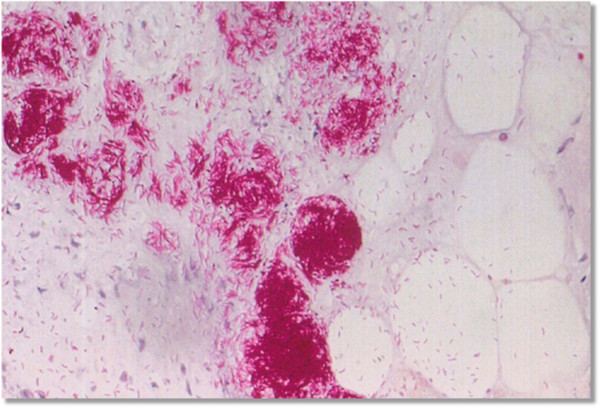
• Buruli ulcer is a skin disease caused by the bacterium Mycobacterium ulcerans.
• How Buruli ulcer is contracted is the subject of intense research. Mosquitoes are likely spreading the bacteria to humans.
• Victorian cases this year are increasing and the spread is widening.
• If left untreated, Buruli ulcer can cause serious deformity and disability. Early diagnosis is essential.
Preventive measures
• Restrict mosquito-breeding sites around houses and other accommodation by reducing areas where water can pool (including pot plant containers, buckets, open tins or cans, discarded tyres, and other untreated, freshwater pools).
• Mosquito-proof homes by securing insect screens on accommodation.
• Avoid mosquito bites by using personal insect repellents containing diethyltoluamide (DEET) or picaridin, wearing long, loose-fitting, light-coloured clothing, and avoiding mosquito-prone areas and peak biting times, especially dusk and dawn.
• When gardening, working or spending time outdoors, wear gardening gloves, long-sleeved shirts and trousers, insect repellent, and protect cuts and abrasions with a dressing. Promptly wash any new scratches or skin cuts with soap and apply a topical antiseptic and dressing.
• Exposed skin contaminated by soil or water should be washed following outdoor activities.