
Nearly half the global population, about 4 billion people around the world, are living with severe water scarcity for at least one month a year. This means they have insufficient water to meet all of their needs, which can lead to crop failure, frequent wildfires, and more.
This crisis is known as ‘water bankruptcy’, and the impact can be seen across the globe. For example, the Colorado River in the United States, a crucial source of drinking water and irrigation for seven states, is drying up.
For Australia, this water deficit is having a significant impact on an individual and economic level. The crisis in particular is affecting companies and organisations across the country. If you’re impacted, looking into small business cover and insurance is a must.
This water deficit is also worsened in Australia by the lack of rainfall over the past year. The Australian Government Bureau of Meteorology reports that rainfall across most of the country was below average in December 2025.
What is water bankruptcy?
The United Nations University has recently published a flagship report that describes how the world is facing a ‘water bankruptcy’. The document describes how the world is living beyond its hydrological means.
This means that people and places are using more water than nature can reliably provide and replace. Recent research has shown that many basins around the world have been pushed too far and are beyond recovery.
As a result, many regions around the world are experiencing irreversible damage to their natural water capital and will be unable to bounce back. According to one report, of the world’s largest lakes, over 50% of them have lost water since the 1990s.
Global glacier mass has also declined 30% since the 1970s. Additionally, 50% of global domestic water is now sourced from groundwater, which is unsustainable in the long term and causes environmental degradation.
How are Australian cities impacted?
According to the United Nations University’s report, Australia is at risk of becoming a ‘hot spot’ for water bankruptcy. The country’s rapid population growth is driving demand for water while we’re facing chronic shortages.
Communication Manager and Spokesperson for Sustainable Population Australia, Michael Bayliss, has said that ‘Australia achieved water bankruptcy at the turn of the century (around 2000)’.
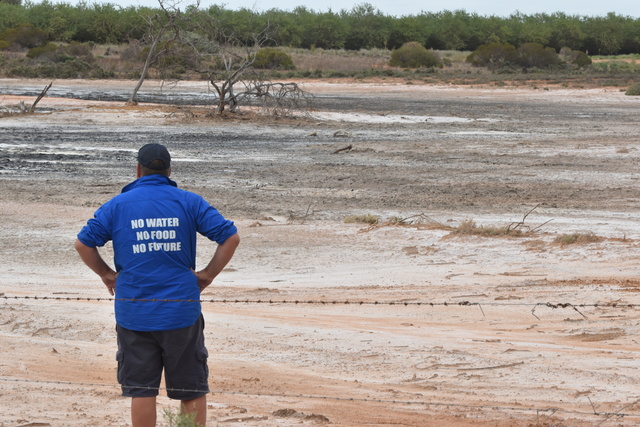
In South Australia, alongside the ongoing reports of below-average rainfall, the River Murray has been listed as critically endangered. This river is commonly called the lifeblood of the state, as it provides essential water for irrigation, industry, domestic, and recreational use.
Two other bodies of water in South Australia, Coorong and Lake Alexandrina, have also been listed as critically endangered. The low level of water is also having a significant ecological impact on the surrounding environment and fauna.
Other cities and states in Australia are facing similar water problems. In 2025, Melbourne’s water storages recorded their steepest annual decline since the Millennium drought back in the 2000s.
Melbourne’s Annual Water Outlook 2026 report shows that the storages are now down from 86% to 75.1%. This decline is being driven by dry, hot conditions, below-average rainfall, and overconsumption.
Australia’s rapid urbanisation and population growth are also massive contributing factors. For example, Melbourne’s population has nearly doubled since its desalination plant was commissioned, and now it’s facing a demand profile that can no longer be met by rainfall alone.
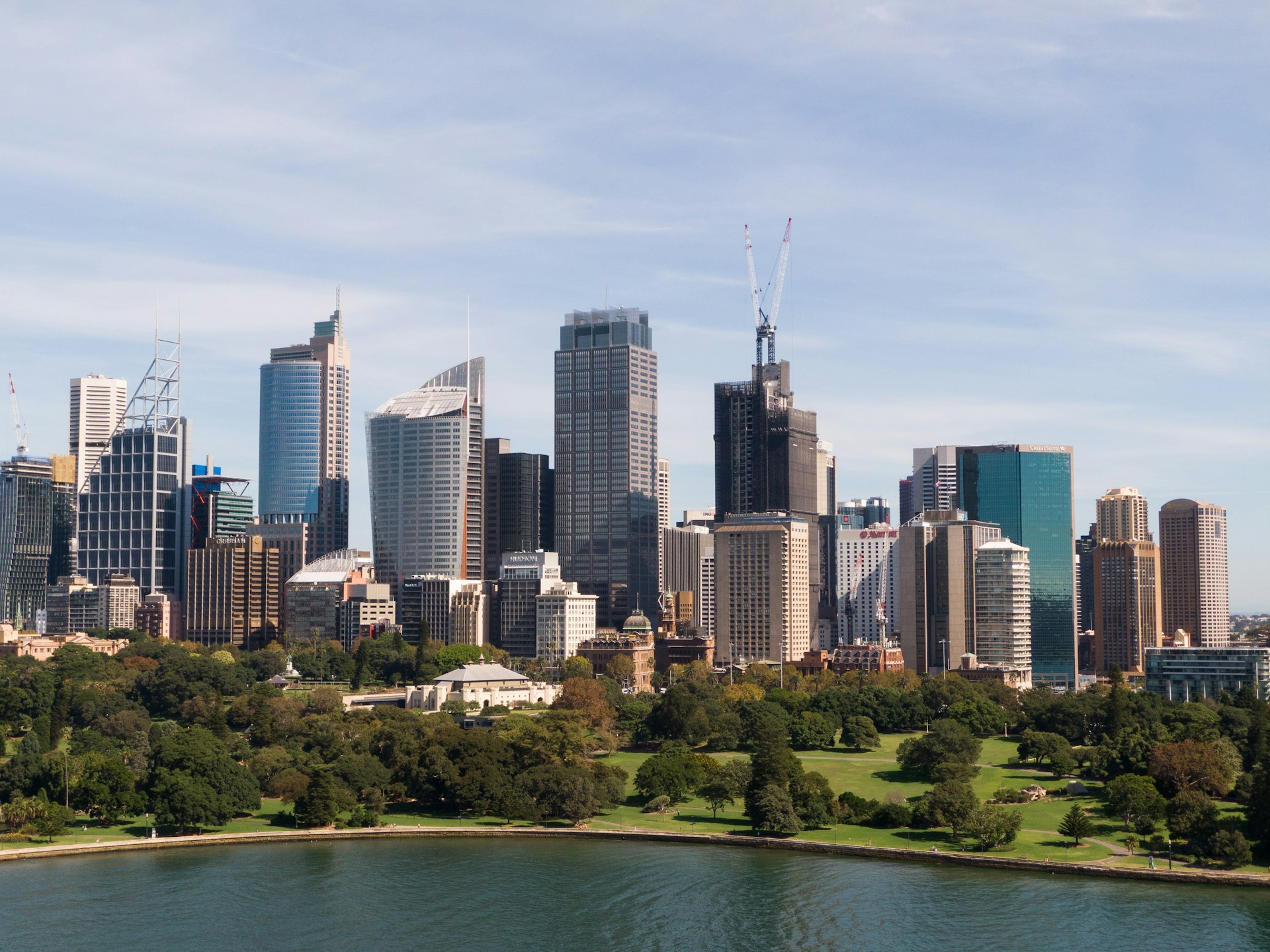
One article dubbed Sydney the ‘city of water scarcity’ back in 2020. The drought from 2017 to 2020 caused a 50% drop in the city’s water storage levels from full capacity in just two years. This led to calls to action for recycled drinking water and water-efficient infrastructure.

The importance of water-efficient infrastructure
With Australia being the driest continent on earth, a shift to smarter, better-designed and water-efficient infrastructure is a must. Investing in better infrastructure has a multitude of benefits, including promoting public health, securing water, and conserving the environment.
Water infrastructure refers to any system that enables the flow of water from rivers or dams to users, such as farmers. It also includes systems that dispose of, recycle, and treat water, such as desalination plants. Examples of water infrastructure include:
- Water treatment plants
- Reservoirs
- Dams
- Distribution systems
In Australia, while small-scale projects exist to deliver and improve sustainable water infrastructure, like The Water and Infrastructure for Sustainable and Efficient Regions (WISER), more action needs to be taken.
WISER is a nationwide funding initiative that currently funds projects that aim to: provide safe and reliable water for regional and remote communities, build resilient water infrastructure that’s sustainable, and improve water recycling to reduce reliance on rainfall dependant sources.
One massive problem with current water infrastructure is that they’re aging and was not designed with current demand in mind. This means their designs were not informed by the impact of climate change, and they are also missing out on technological advancements.
For example, it’s possible now for water systems to embrace emerging technologies, such as advanced monitoring systems, data analytics, and automation. This could help optimise operations, reduce waste, and enhance efficiency.
For businesses, like agriculture, that rely on water, it’s also critical that they use tools with water-efficient designs. For example, farmers could use precision drip irrigation and soil moisture sensors to minimise water use while still ensuring a quality crop.
It’s also crucial that these businesses invest in risk mitigation, like insurance, for periods of ‘water bankruptcy’. It can help add a layer of protection against losses during a drought or water shortages.