WITH the region recording one of the highest teenage pregnancy rates in Victoria, young people gathered over a series of forums held across the Mallee to provide solutions to health services and government on how they can be on top of sex education.
According to the Teenage Pregnancy Strategy report developed by the Mallee Child Youth Area Partnership in 2017, young people became pregnant due to low use of oral contraceptives or sexual health products such as condoms.
The report also stated young people faced challenges to accessing products and services in their rural communities.
Youth Affairs Council Victoria (YACVic), the peak body for young people and the youth sector, partnered with Women’s Health Loddon Mallee and the Centre of Excellence in Rural Sexual Health to tackle the issues head on.
Sexy and Safe: Let’s Talk About It aims to understand the attitudes and behaviours regarding sex in young people in the region.
Alarmingly, the report collated after the forums found that less than one in five young people in the Mallee use condoms every time they have sex.
YACVic Southern Mallee rural development co-ordinator Rhiannon Jennings said the reasons why so few are consistently partaking in safe sex are varied.
“There are many barriers including cost, judgement, embarrassment and lack of transport which impact on a young persons ability to access what they need, when they need it,” she said.
“Considerable change in approach and delivery of sexual and reproductive health is essential.”
Eight forums were held across the region in May and June and 174 young people took part in the forums and a further 55 participated online.
“One of the things young people identified included access as an issue, particularly for those living out of town.
“Also that free or low-cost condoms were not ideally placed around the community.
“For example,Youth Inc and Health Promotion have them, but they’re only accessible during business hours.
“Riverside Park and McCallum Street toilets have low-cost condoms 24/7 but young people are not always able to get there.
“The young people identified they would like condoms and sanitary items available at school.
“Another barrier is religious and cultural backgrounds.”
Young people also identified they wanted more sexual education from a younger age and more consistency in how often they receive it in school.
There is also a disparity in the information delivered between different schools.
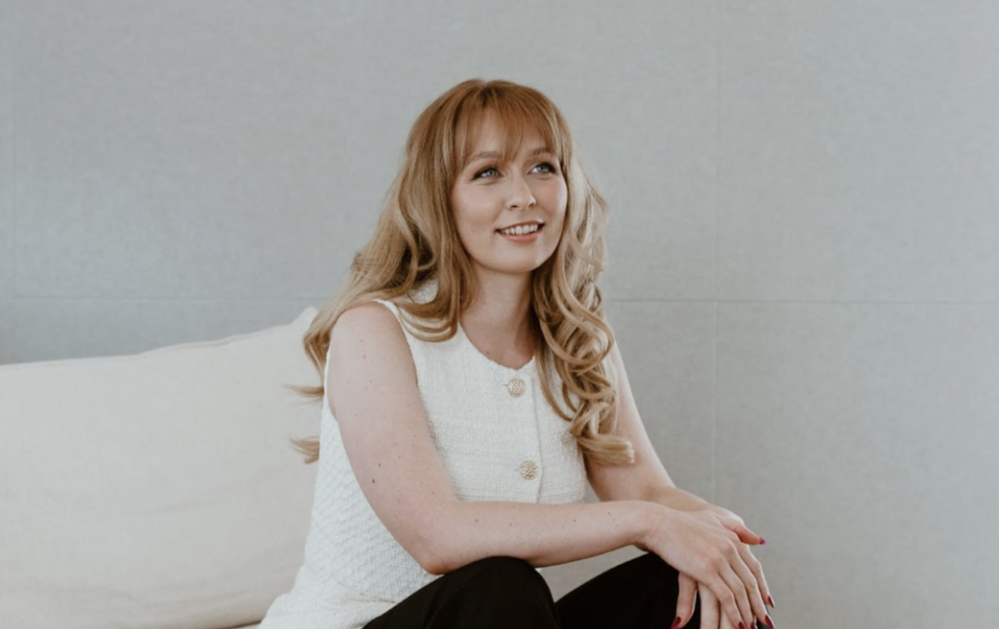
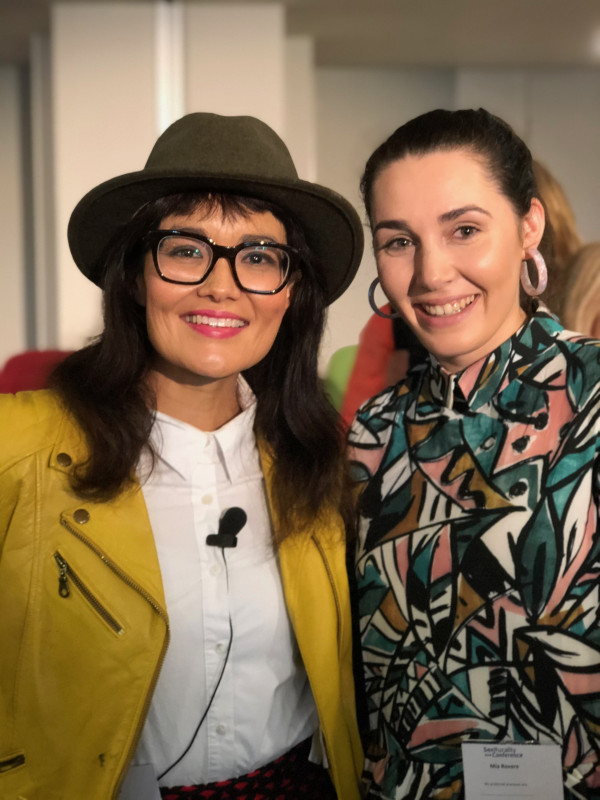
The report and consultations were co-designed by young people, with 21-year-old Swan Hill woman Mia Rovere playing a key role throughout the project in ensuring young people were heard.
“Young people are experts in their own lives, so their voices should be the loudest and most considered when seeking to understand the issues and the potential solutions to the sexual health crisis experienced by young people in our region,” she said.
Her personal experience of seeking support for teenage pregnancy opened her eyes to the lack of support young people receive in the Mallee.
The lack of interactions between health services and young people also contributed.
Rovere believes young people are key to creating real change.
“It is the voices of these young people that must be not only listened to, but actioned if we are to see real change in the delivery of youth sexual health education,” she said.
“My hope from this work is that one day all young people, especially those in rural areas, will not have to face the barriers that I had to face.
“Those of stigma, judgement, lack of confidentiality and lack of service options.”