Swan Hill is a modern yet humble city, on the mighty Murray River.
The region, which encompasses neighbouring towns such as Nyah, Beverford, Vinifera and Lake Boga, is home to a vibrant community of more than 20,000 people.
Just three-and-a-half hours north-west of Melbourne and five-and-a-half hours from Adelaide, the Swan Hill region is renowned for its Murray River location, fresh local produce, epic landscapes, Australian native wildlife and Aboriginal heritage.
Swan Hill is known to locals as the Heart of the Murray and it’s easy to see why.
The town is a wonderful representation of how great life on the river can be.
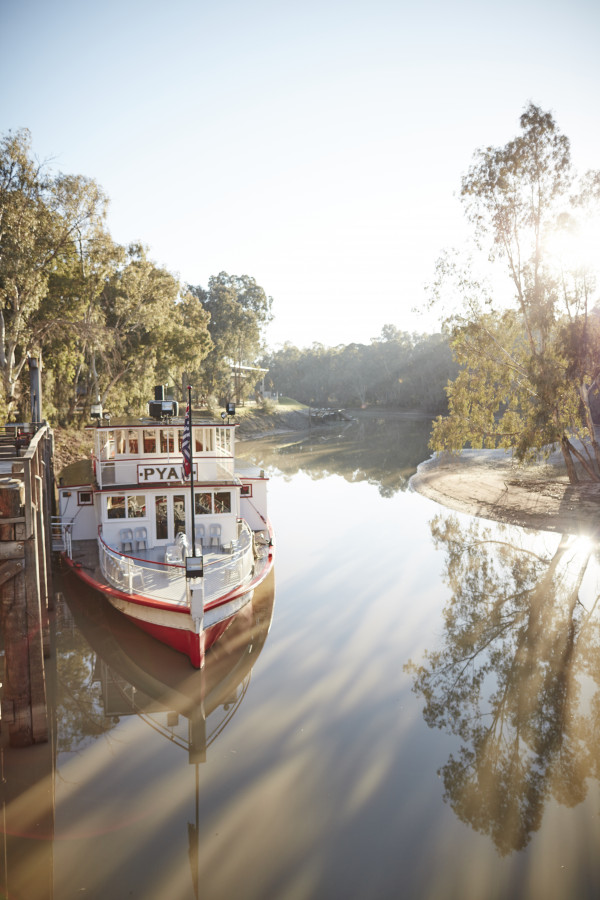
There are no shortage of great bush trails and river walks, fishing spots and camp sites. Jump aboard the PS Pyap for a scenic river cruise or take a walk down the Pioneer Settlement’s main street for an incredible insight to Murray River life in the 1800s.
The landscapes and riverscapes that line the majestic Murray River are something to behold, but the city itself has an abundance of sites and spots to be enjoyed.
The CBD boasts an array of food outlets as well as fine food restaurants and good bush pubs, many opting to showcase some of the regions fantastic local produce.
There are an incredible selection of shopping outlets and small boutique stores. Many uniquely local stores trade in the city, giving visitors in particular the opportunity to own a piece of the region.
If its a relaxing afternoon with friends you’re after, then take a trip to one of the region’s many wineries where you can tuck into some fabulous food and wine.
Origins of the Name
The area was given its current name by explorer Thomas Mitchell, while camping beside a hill on June 21, 1836.
“Among the reeds on the point of ground between the two rivers was a shallow lagoon where swans and other wild fowl so abounded that, although half a mile from our camp, their noise disturbed us through the night. I therefore named this somewhat remarkable and isolated feature Swan Hill, a point which may probably be found to mark the junction of two fine streams’ — Thomas Mitchell