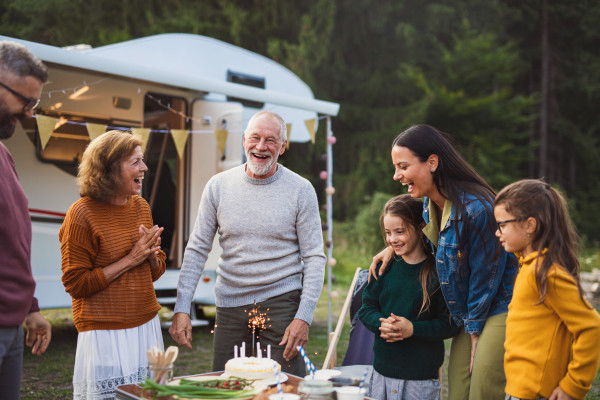
Are you planning a family camping trip? Whether it’s a weekend getaway or a longer adventure, spending time outdoors can be a wonderful bonding experience for families. Imagine your kids, teens, and extended family enjoying nature, exploring new places, and making memories.
However, as exciting as camping can be, safety must come first. This guide has practical tips for keeping everyone safe and having fun on a family camping trip.
Let’s make your family camping trip unforgettable!
1. Keep Food Stored Properly with a Cooler
Staying out in nature requires proper food storage to avoid attracting hungry bears or other critters. A reliable cooler is your best friend in this situation. Look for a high-quality cooler from Yeti NZ (or a similar brand) that will keep your food fresh and secure. For a more extended trip, ensure to pack your cooler with plenty of ice or freezer packs to maintain its cold temperature.
Remember to separate raw from cooked food to avoid cross-contamination. Store raw meat, poultry, and seafood in airtight containers to avoid leaks. For snacks and other perishables, keep them in resealable bags. It’s also advisable to bring some non-perishable snacks, like granola bars or dried fruit, for quick munching.
2. Assign Age-Appropriate Tasks
Camping lets you teach kids life skills and responsibilities. Assigning age-appropriate tasks lightens parental workload and gives kids ownership and contribution.
Younger children can help gather firewood, set up tents, and organise camping gear under supervision. Meanwhile, older kids and teenagers can take charge of tasks like cooking simple meals, setting up the camp, and cleaning the campsite.
Remember to prioritise safety and ensure that clear instructions are given for each task. For instance, older kids and teenagers should learn how to safely handle sharp tools and fire starter sticks. This precaution avoids accidents and alerts everyone to dangers while still letting them help.
3. Check the Weather Forecast Before Heading Out
Next, checking the weather before heading for your family camping trip is essential because Mother Nature can be unpredictable. This step ensures you pack the appropriate clothing and gear for unexpected weather changes. In case the weather turns chilly or rainy, bring light jackets and umbrellas to stay comfortable. On sunny camping days, don’t forget to pack sunglasses, hats, and sunscreen for sun protection.
It’s also wise to have a backup plan in inclement weather. Prepare indoor activities or games to enjoy in the tent or camper. This way, you’ll still have options for fun even if the weather doesn’t cooperate.
4. Be Cautious of Dangerous Plants and Animals
While exploring the great outdoors, being wary of dangerous plants and animals is crucial. Inform your kids that poisonous plants, such as poison ivy, oak, or sumac, might cause skin irritations and rashes. Teach them how to identify these plants and the importance of avoiding contact with them.
In addition, it’s best to discuss with your family the potential encounters with wildlife and how to handle them safely. Remind them not to approach or feed bears, raccoons, or squirrels. While these animals seem cute, they can be dangerous if provoked or if they become too comfortable around humans.
5. Pack a First Aid Kit
Accidents could happen on camping grounds, so preparing a well-stocked first aid kit is essential. The basics should include adhesive bandages, antiseptic wipes, gauze pads, adhesive tape, and tweezers. It’s also helpful to have emergency phone numbers, including the nearest hospital or medical facility, for more severe situations.
Aside from that, familiarise yourself with basic first aid techniques and teach these to your children. These may include how to clean and dress a wound, perform CPR, and treat minor burns and insect bites.
Remember to check the expiration dates of the items in your first aid kit and restock as needed.
6. Plan Fun and Safe Outdoor Activities
Camping offers various family-friendly activities, from hiking to swimming to fishing. However, it’s essential to plan safe and age-appropriate activities for everyone.
For example, if you’re going hiking, pick a trail your youngest family members can manage. Let’s say they’re only five years old. Do you think they can handle rocky trails? Consider their physical abilities to avoid camping accidents.
When swimming or boating, ensure everyone has a life jacket, regardless of ability. Maintain close supervision and set boundaries around water to protect the kids.
7. Make an Emergency Plan
While nobody wants anyone to get lost or separated during a camping trip, it’s always best to be prepared for the unexpected. It’s wise to create an emergency plan with your family right from the start. Identify a central meeting point within the campsite where everyone should gather in case someone gets lost or separated.
Another good idea is to teach the young ones to recognise landmarks or unique features to help them find their way back to camp. Consider providing each family member with a whistle or a noise-making device in case they need to attract attention or seek help.
Additionally, if you’re camping in a more remote area, ask everyone to download a reliable offline map app on their phones. By doing so, you will have an added layer of safety and reassurance during unforeseen situations.
Creating Safe and Lasting Memories on the Campsite
Now that you have these essential tips for a safe and enjoyable family camping trip, it’s time to hit the road and embark on your adventure! Remember, preparation is critical, but the most important thing is to have fun, make memories, and cherish the time spent together in the great outdoors. Happy camping!