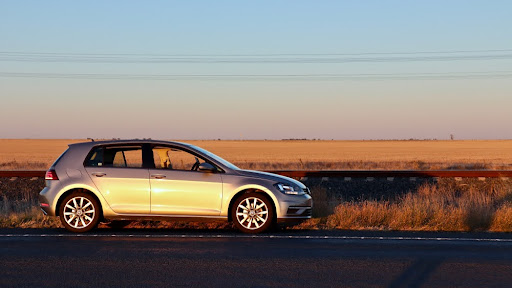
When you’re coasting along the wide open roads, not a car in sight, it’s easy to relax and think that driving in the country is a total charm. And it can be great fun, but there are a few things to keep in mind when hitting those outback roads. These are things like watching for wildlife, slowing down on gravel roads, and knowing when to take a break. You might also like to consider grabbing some comprehensive motor insurance before hitting the highway, because it’ll be quite a fee to call out a tow truck when you’re stuck in the canola fields.
Here are some other tips you’ll want to keep in mind when planning road trips across country Victoria in the near future.
1. Keep to the speed limit & watch for other road signs
This might go without saying, but when you’re in the outback, you’ll be surprised by how many drivers don’t follow these basic rules, beginning with sticking to the speed limit. On straight country roads, the limit tends to be 110 kmph, but this dips to 90 kmph on tight roads with turns. Before a big turn you’ll also see signs that tell you the recommended limit, though you should go even slower in bad weather.
2. Watch out for wildlife
Another road sign that drivers must look out for at all times are wildlife crossing signs and markers. All sorts of critters like to cross the road, especially at night. Kangaroos will hop out onto a dark road when you least expect it, so keep an eye on the surrounding brush and bushland when you’re driving at night and keep your high beams on.
If you do have an animal rush out in front of you, the best thing is not to swerve or even to slam the brakes. Swerving can lead you into a tree and hitting the brakes at 110 kmph will give everyone whiplash. Instead, just take your foot off the accelerator and brake firmly. It might not be the best outcome for the animal, but it’s the safest option for you and your family.
3. Slow down on gravel and unsealed roads
When you get off the highways, much of the Australian outback is actually unsealed roadways. This means that loose paving like dirt and gravel can slip beneath your wheels and can fling up rocks and debris. Because of this, you want to drive slower and keep further back from other cars.
If you do start to slip, take your foot off the accelerator and avoid making any extreme turns of the steering wheel so you don’t slip more. The easiest way to regain traction is to reduce your speed and ensure that your wheels can make contact with solid ground.
4. Wait for the overtaking lanes
If you’re stuck behind a truck or a slow car, you might be tempted to just go ahead and overtake them. But unless you’re using the special overtaking lanes that are spread out along the highway, you’d be breaking the law and putting yourself (and your fellow drivers) in a lot of danger.
The main issue in these situations is visibility – either the road ahead hides a downslope, a turn is approaching, or you’ll simply be in the truck’s blind spot. Because of this, the overtaking lanes give you a lot of time and space to overtake, and you must wait patiently for these instead.
5. Don’t drive tired
Along country roads you’ll often see signs warning about the dangers of fatigue. Something like a quarter of all car crashes are attributed to it each year alone. If you’ve been driving for six or more hours, or you’re driving past 10pm you may be fatigued. But avoid stopping by the side of the road and instead look for a rest area, which is marked with signs such as a blue ‘P’ or with signs that read ‘truck rest stop’.
5. Keep sharp around trucks and road trains
Though you might not see them often on city roads, long haul trucks and road trains are extremely common on country roads. They also require special attention and care when driving near them. They have larger blindspots than a car, and may not know you’re behind them or trying to overtake, so keep your distance and watch them carefully. They also kick up a lot of debris, so you should watch for that too when driving on unsealed roads.
6. Avoid driving at night
If you’re trying to stretch out your countryside getaway as far as you can, you’re probably planning to drive home during the night. But with the decreased visibility, the increased wildlife and the risk of fatigue, driving at night in the country is much more dangerous than it is in the city. And to make it more challenging, petrol stations in the countryside are rarely open 24 hours, so you can drive through long stretches of land without anywhere to fuel up on food or fuel. If you have to drive at night, the best advice is to simply drive slower as it gives you more time to react.
7. Roadside Assistance
If you’re out in the middle of nowhere, a ‘local’ tow truck can charge whatever they like. So if that’s something you’re concerned about, pick up some car insurance that includes roadside assistance. Auto clubs like RACV have an ‘Australia-wide’ policy, meaning they’ll pick you up anywhere and at any time. This can be a particularly handy service to
Conclusion
Once you’re aware of the unique challenges of country driving, you’ll find that it can be quite comfortable. Whether you’re rolling through Horsham’s canola fields, Wagga Wagga’s fields of wheat, Canarvon’s banana plantations, or the sugarcane farms of tropical north Queensland, having these country driving tips in mind will be sure to keep you safe from state to state.