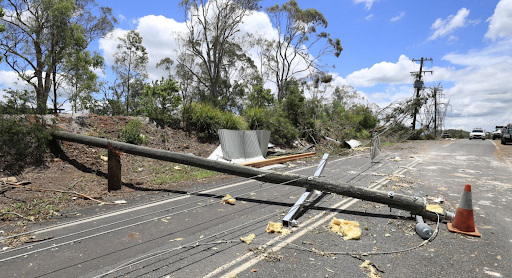
The Rising Threat of Extreme Weather in Australia
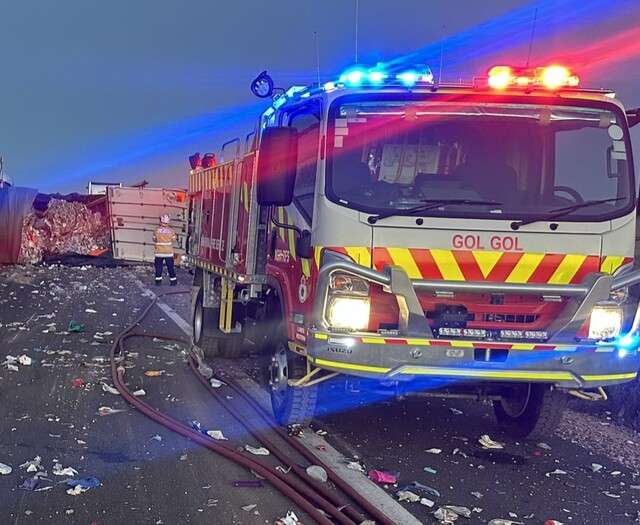
Australia is no stranger to extreme weather. From devastating bushfires and cyclones to flash floods and hailstorms, natural disasters can wreak havoc on businesses in transport, construction, and heavy industries. As these events become more frequent and severe, the financial risks for business owners are increasing. Without the right insurance, the costs of repairs, lost revenue, and liability claims can be overwhelming.
How Natural Disasters Impact Transport & Construction Businesses
For those operating in transport and construction, extreme weather poses several risks:
-
Vehicle & Equipment Damage – Trucks, utes, cranes, and other machinery can suffer significant damage from storms, floods, or falling debris.
-
Worksite Disruptions – Heavy rainfall, high winds, and fire hazards can halt construction projects, leading to delays and financial losses.
-
Business Interruption – Road closures, supply chain disruptions, and damage to key assets can cause unexpected downtime, affecting cash flow.
-
Liability Issues – If a storm-damaged vehicle causes an accident or flooding on a construction site leads to third-party damage, businesses may face costly legal claims.
The Insurance Coverage You Need
A comprehensive insurance policy can help businesses recover quickly from extreme weather events. Here are the essential coverages to consider:
-
Commercial Vehicle & Fleet Insurance – Protects trucks, transport vehicles, and utes from storm damage, hail, and flooding.
-
Heavy Equipment Insurance – Covers damage or loss of construction and plant equipment due to natural disasters.
-
Business Interruption Insurance – Provides financial support if business operations are halted by extreme weather.
-
Public Liability Insurance – Protects businesses if their assets cause injury or damage due to weather-related incidents.
Are You Properly Covered? Key Considerations
Not all insurance policies automatically cover natural disasters. Many standard policies have exclusions for floods, cyclones, or bushfires, leaving businesses vulnerable. Here are some important steps to ensure you’re adequately covered:
-
Review Your Policy – Understand exactly what is and isn’t covered under your current insurance plan.
-
Check for Exclusions – Some policies exclude certain weather-related damages, so additional coverage may be required.
-
Work With a Specialist Insurance Broker – An experienced broker can tailor a policy to your industry’s unique risks and ensure you have the right protection in place.
-
Implement Risk Reduction Strategies – Secure vehicles and equipment in protected locations, develop an emergency response plan, and keep digital backups of important business records.
Why Acting Now is Crucial
Natural disasters are unpredictable, and their financial toll can be devastating. Waiting until after an event to review insurance coverage is a costly mistake. Businesses that proactively assess their risks and secure comprehensive protection are better positioned to recover quickly and continue operations with minimal disruption.
If you’re unsure whether your current policy provides adequate coverage for storms, floods, or other extreme weather events, now is the time to review your options. Working with an experienced insurance provider can ensure you have the right coverage tailored to your business needs.
Final Thoughts
In today’s unpredictable climate, insurance isn’t just a safety net—it’s a necessity. Whether you’re a single-unit operator or managing a fleet, having the right coverage can mean the difference between a temporary setback and a financial disaster. Don’t wait until it’s too late—ensure your business is protected from the unexpected today.